Clay Court Season Preview: Getting Dirty By Dominic Bliss

With the European clay court season nearly upon us, we look in-depth at all aspects of playing on the red dirt, as it’s known. Which tournaments are unmissable? Why are clay courts so special? What tactics do players need to excel?

“Clay teaches you how to suffer.” Famous Spanish coach Jose Higueras wasn’t exaggerating. With its longer rallies, and greater physical demands, Europe’s clay court season has always tested players to the very limit.

It has also given fans some of the greatest spectacles in the sport. Throughout spring and early summer there are 30 or so ATP and WTA tournaments staged on clay across the European continent, ranging from Estoril, in the south of Portugal, to Bucharest, in the far east, and culminating with Roland Garros, in Paris. You’re never far from the grunt and slide of clay-court tennis.

Sliding Across Europe
From Monte-Carlo in mid-April, all the way through to the Roland Garros finals in early June, some of Europe’s finest cities host stops on the clay court swing. This is the time of year when players are tested to their physical limits, and where hotel washing machines buzz into overdrive, trying to dislodge the red dirt.

On the ATP Tour, the Masters 1000 event in Monte-Carlo is a great season opener. With its steep, hillside location, and stunning views onto the Mediterranean, the Monte-Carlo Country Club provides a glorious backdrop to some glorious tennis.

Should you ever tire of watching the players in action, you can always switch your attention to mega-rich locals who swan around the club in their designer clothing, noses upturned. This is very much the land of the haves and have-yachts.

The rest of April sees the men’s and women’s tours zig-zagging between Romania, Serbia, Spain, Germany, Portugal, Morocco, and Hungary before settling, at the beginning of May, for two consecutive major events, one in Madrid and one in Rome. The latter, with its classic Italian fascist architecture from the Mussolini period, is perhaps the most distinctive venue on the whole continent. Featuring amphitheatre seating and dozens of classical statues, it harks back to ancient Rome and imbues matches with a real gladiatorial spirit.

A handful of low-key tournaments, Dusseldorf and Nice for the men, Brussels and Strasbourg for the women, are staged the following week. This is very much the calm before the storm, since on May 27th all the world’s top players head for Paris to compete in the clay season finale, Roland Garros. For sheer scale and spectacle (21 courts to choose from, including three stadia), France’s Grand Slam is unmissable.

Over the next five years, this historic venue will enjoy major renovations, expanding its size by 60 per cent, adding new courts, and slapping a retractable roof on top of the main stadium.

Although the clay season technically closes after the last ball is struck at Roland Garros, there’s a clutch of clay tournaments later in the summer. They may lack the impact of the pre-Roland Garros events, but some have a real charm. Umag, for example, overlooks the beautiful Croatian coast, while Kitzbuhel, high up in the Tyrol, offers views across the Alps. To make it this far you’ll need Nadal-like staying power.

Dead on red: How do top players deal with the extra physical demands of clay?
What makes clay court tennis such a physical spectacle, both thrilling and graceful to watch, is the length of the rallies. None of that quick and brutal tennis you see on fast courts. On the red stuff it’s quite normal to witness rallies lasting 10 to 15 shots, sometimes much longer, during which combatants have to slowly and tactically jockey into a position from where they can execute a winner. “Playing on clay is like playing chess,” says top Spanish coach Jose Higueras. “You have more time to be creative and more choices to make on what shots to hit.”

Ground into a fine powder, the top layer of red clay courts gives the ball extra grip when it lands, holding onto it longer than a grass or hard court would, and slowing it down slightly. Because clay is softer than hard, more of the ball’s energy is absorbed by the court. According to one survey, tennis balls retain just 59% of their speed after bouncing on clay, compared to 60% on acrylic hard courts and 70% on grass. If there’s moisture on the clay, often the case in the more northern German tournaments, this will slow the balls down even more.

The extra grip also means balls struck with heavy topspin have more kick after the bounce, often jumping up above an opponent’s head. This is particularly effective on forehand groundstrokes and serves.

Julien Hoferlin is men’s team coach at the Lawn Tennis Association. As Belgium’s former Fed Cup coach and David Cup captain, he has had years of experience giving clay-court advice to top-level pros. Here, he outlines the specific skills a clay-court specialist needs.

Ball trajectory: To make use of the extra spin clay imparts on the ball, players often hit heavy topspin shots. They mostly use a western grip to produce both rotation and pace at the same time. Slice shots are effective, too, especially on the backhand. They will keep the ball really low to the ground which means your opponent can’t attack.

Footwork: Longer rallies on clay mean players must really work on their footwork. Sliding is crucial. There are two types of slide. 1) the slide before you hit the ball, where you run towards the ball, slide, balance and then play the shot. 2) the slide after the ball, where the ball is coming so fast that you have to hit the ball on the run, and then slide afterwards in order to get back in the recovery position quickly.

Baseline movement: On hard and grass courts you can stay close to your baseline during rallies. On clay, the extra kick on groundstrokes means you’ll be running forwards and backwards behind your baseline much more to take the high-bouncing balls.

Mental game: On clay a match might last for three hours instead of the one and half hours of grass or hard courts. You have to be patient and mentally strong.

Dropshots: Technically, these are played the same as on hard or grass courts. It’s just that, on clay, you can play them more often. I think you’ll see three or four times the number of dropshots at Roland Garros than at Wimbledon or the US Open.

Don’t change: You don’t have to change your whole playing style for clay. Sometimes serve-and-volleyers beat clay-court specialists on the red stuff because their style is so unexpected.

Adapt to survive: What equipment changes do clay-court specialists make?
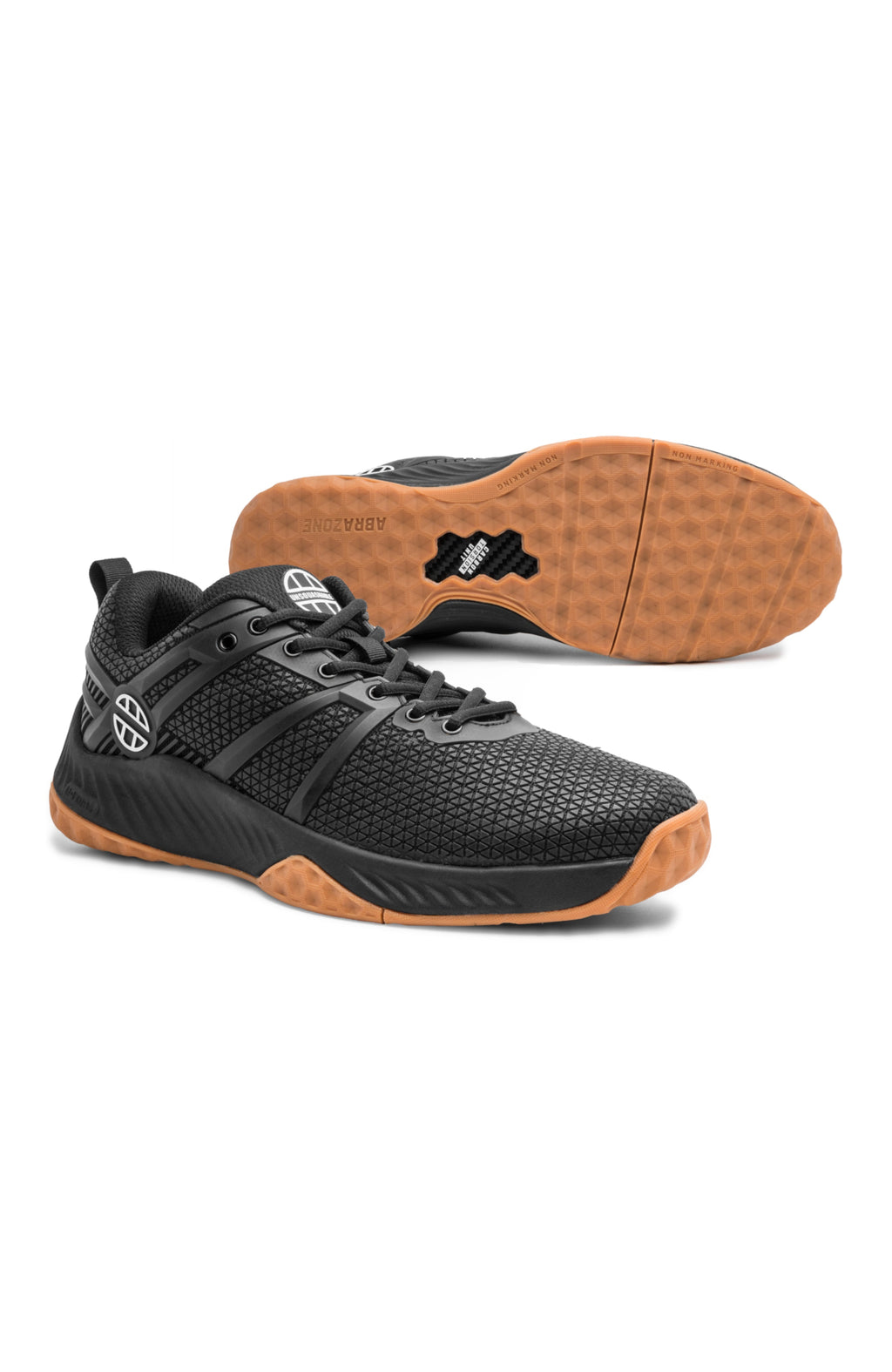
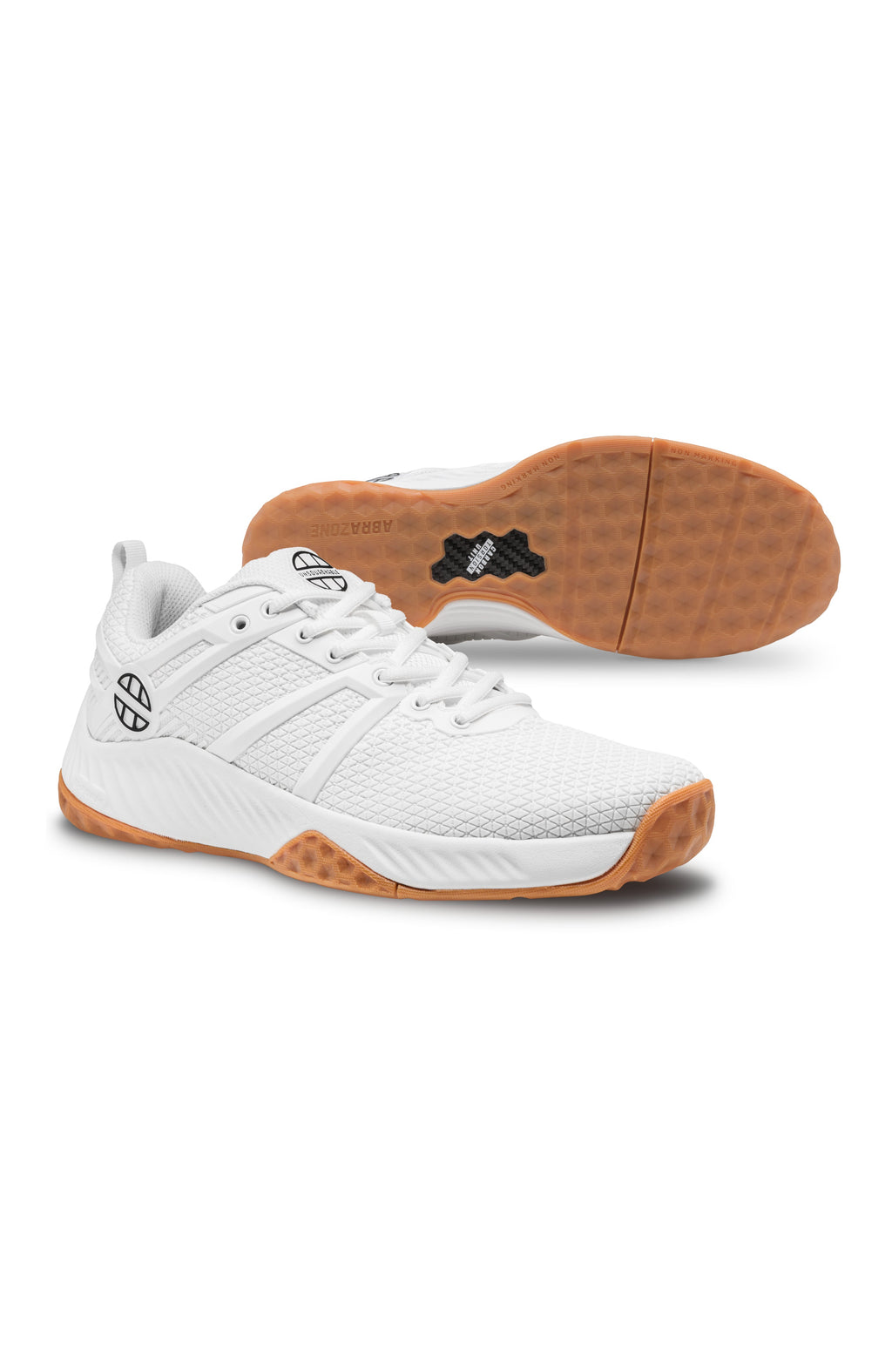
Most important are specific clay-court shoes. All the major brands supply these. Where they differ from other tennis shoes is that they feature a herringbone pattern on the sole. This gives enough grip, allows you to slide and doesn’t clog up with clay.

Some professional players use rougher strings on clay which grip the ball longer and allow them to give it more topspin. Or they opt for stronger, thicker-gauged strings which let them impart more spin and power, without sending the ball long. Some even drop their string tension ever so slightly in order to get more power for those big topspin shots.

Hitting extra spin moves the strings much more within the stringbed, and inevitably this leads to more string breakages. At professional level it’s quite normal to see a player break half a dozen or more strings during a match.

Class on clay: Who were the greatest clay-courters of all time?
When it comes to the men, it’s hard to look beyond the clay-court superstar that is Rafael Nadal. His six Roland Garros singles titles place him equal with Bjorn Borg as the greatest Open Era player at the clay Grand Slam. Only Max Decugis, with eight Roland Garros titles, exceeds this number, but all of his came before the First World War when competition was far less intense. Among the women, Chris Evert leads the field with seven singles titles, followed closely by Suzanne Lenglen and Steffi Graf at six.

But it’s not all about Roland Garros. Evert also holds the remarkable record of the longest winning streak on clay of any player ever: between 1973 and 1979 she won 125 consecutive clay matches. Her male equivalent is Nadal with 81 victories between 2005 and 2007.

Then you have to take into account the total number of clay court titles. During the entire history of the ATP, the record-holder is Guillermo Vilas with 45, followed by Thomas Muster with 40. The female equivalents are Evert at 37 titles and Graf at 32.

iSPORTstore